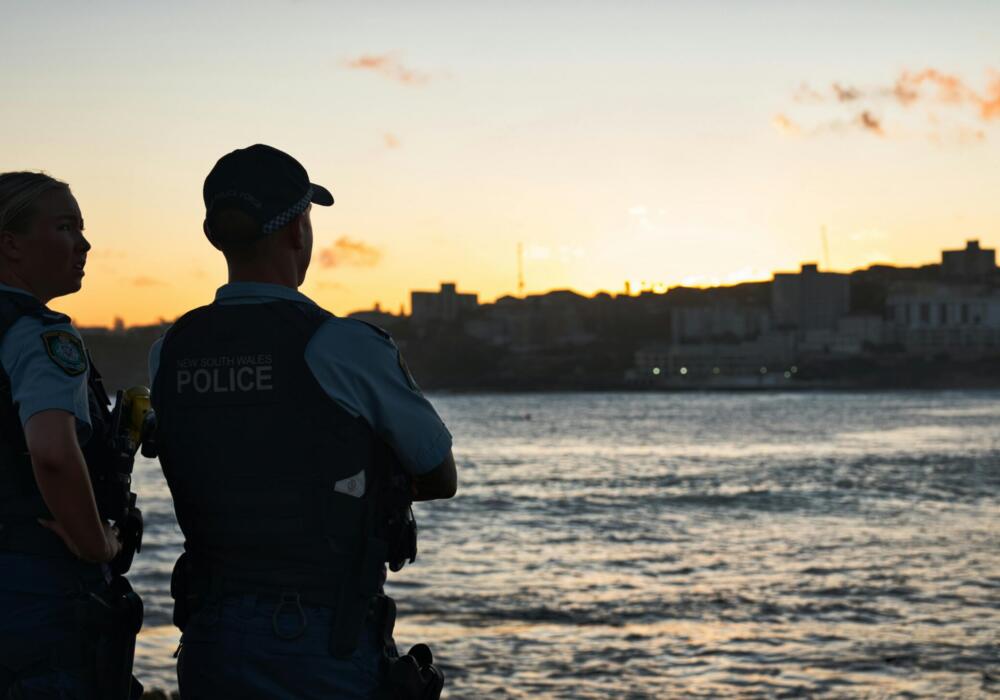
Police officers in Victoria play a vital role in protecting our communities, responding to emergencies, and supporting people on their worst days. From Geelong to the Surf Coast and across the Bellarine Peninsula, officers regularly witness trauma, violence, death, and tragedy. While many people see the bravery and discipline required for frontline policing, fewer understand the psychological cost of this work. One of the most significant impacts is Post-Traumatic Stress Disorder (PTSD).
PTSD is not a sign of weakness. It is an injury of the nervous system, caused by repeated or overwhelming exposure to traumatic events. With the right trauma-informed support, police officers can recover, regain balance, and continue living full and meaningful lives. Understanding how PTSD develops and where to find help locally in Geelong is an essential step toward protecting the mental health of those who protect us.
Why police officers in Victoria are at higher risk of PTSD
Police are repeatedly exposed to traumatic situations as part of everyday policing. Officers across Geelong and regional Victoria commonly encounter:
🔹 Fatal road accidents on busy rural and coastal highways
🔹 Domestic and family violence incidents
🔹 Violent crimes, assaults, and weapons threats
🔹 Suicide attempts or completed suicides
🔹 Sudden death or child-related trauma
🔹 Repeated exposure to grief, fear, and loss
Unlike civilians, who may experience trauma only once or twice in a lifetime, police may experience hundreds of traumatic incidents over a career. This cumulative trauma builds over time, gradually overwhelming the nervous system and leading to PTSD symptoms.
Common PTSD symptoms in police officers
Police PTSD can emerge suddenly after one significant event or gradually after years of exposure. Symptoms may include:
Hypervigilance
Feeling constantly on alert, scanning every environment for threat, even at home.
Intrusive Thoughts & Flashbacks
Nightmares, flashbacks, or images from distressing events that interrupt sleep and concentration.
Emotional Numbing
Becoming detached, withdrawn, irritable, or “shutting down” emotionally.
Avoidance
Avoiding certain locations, sounds, smells, roads, or situations that trigger memories.
Negative Mood & Thoughts
Feelings of guilt, shame, self-blame, or loss of interest in relationships and hobbies.
These are not personality flaws — they are symptoms of a nervous system stuck in survival mode.
Stigma in policing: why officers often don’t seek help
Many officers across Geelong and Victoria describe feeling enormous pressure to “handle it” internally. Police culture values toughness and composure, which can, unfortunately, create barriers to getting support.
Officers often report thoughts like:
- “Everyone else seems to cope.”
- “Talking about it might affect my job.”
- “It’s just part of the uniform.”
This silence can lead to burnout, anxiety, PTSD, relationship breakdowns, alcohol use, and medical leave. Changing the narrative matters. Asking for help should be viewed as a professional skill, just as important as tactical training or officer safety.
How PTSD affects families in Geelong & Victoria
Police work doesn’t end at the station. Trauma can enter the home through changes in mood, irritability, withdrawal, sleep difficulties, or inability to relax. Partners and children may feel confused by the emotional distance or frustration that can accompany PTSD.
Education and communication help families recognise that:
The officer is not “cold” — they are coping with a nervous system overwhelmed by trauma.
Family-inclusive approaches often strengthen relationships and support recovery.
Evidence-based PTSD treatment for police officers
Police deserve access to confidential, neuroscience-informed treatment that respects their profession. At Happy Minds Psychology in Drysdale, we specialise in trauma treatment for first responders across Geelong, the Bellarine, Surf Coast, and regional Victoria.
Effective therapies include:
✔ EMDR (Eye Movement Desensitisation and Reprocessing)
Highly effective for police. Does not require a detailed retelling of events, which reduces distress and protects dignity.
✔ Trauma-Focused CBT
Addresses guilt, responsibility, avoidance, and unhelpful beliefs.
✔ Somatic & Nervous System Regulation
Targets sleep, hypervigilance, physical symptoms, and panic responses.
✔ Psychoeducation & Support
Understanding how the brain protects itself can dramatically reduce shame.
With treatment, most officers recover, return to duty, or build new, meaningful pathways in life.
Where police officers can get help in Geelong & the Bellarine
Happy Minds Psychology provides confidential support for:
🔹 Victoria Police
🔹 Highway patrol and specialist units
🔹 Detectives and general duties
🔹 Former officers and medically retired police
🔹 Partners and family members
We offer online and in-person support, with Medicare and private options available.
Speak with a trauma-informed psychologist
If you or someone you love is working in policing and experiencing symptoms of trauma or burnout, support is available.