Becoming a dad is one of the most profound transitions a man can undertake. For two dads welcoming a child through surrogacy and egg donation, the journey often begins long before the birth — through years of emotional preparation, medical appointments, and navigating systems that don’t always fit neatly around your story. You’ve fought for this family. You’ve planned every detail. And so, when the baby finally arrives, it’s only natural to feel the pressure to get it right.
But here’s a paradox worth embracing: failure isn’t the enemy of fatherhood — it’s one of its greatest teachers.
The Uniqueness of Your Fatherhood Journey
For many two-dad families, there’s no “default template” for how to do this. Parenting books and online forums often assume a mother–father dynamic. Even healthcare professionals sometimes unconsciously direct advice through a maternal lens. The instinct might be to lean heavily on the women in your lives — your mothers, sisters, or close female friends — for practical and emotional guidance.
While that can be supportive, it can also quietly undermine your confidence in your own fathering instincts. Fathers don’t need to mirror mothers; they need to develop their own rhythm.
Psychological research supports this distinction. Michael Lamb and colleagues (2010) highlight that fathers contribute in unique and complementary ways to children’s development — not simply as “secondary caregivers,” but as active agents in shaping emotional regulation, problem-solving, and resilience. Studies also show that fathers often engage in more physically stimulating, exploratory play, which supports cognitive and emotional growth (Fletcher et al., 2011; Yogman et al., 2016).
Your challenge, then, is to carve out a fatherhood that fits you, not one borrowed from someone else. And that’s where failure — gentle, reflective failure — becomes essential.
Why Failure Matters
When you fumble a feed, forget the wipes, or accidentally swaddle your baby like a burrito that won’t hold — something important is happening. You’re learning.
- Failure builds learning and adaptation.
Confidence in parenting develops not through flawless execution, but through iterative practice. Each small misstep invites self-reflection and adjustment. Research consistently shows that responsive, engaged fathering — rather than perfect fathering — predicts stronger child outcomes (Sarkadi et al., 2008). - Failure nurtures emotional resilience.
When you accept imperfection, you model authenticity for your child. They learn that mistakes are safe, repair is possible, and love endures through frustration. This kind of emotional modelling is foundational to secure attachment (Bowlby, 1988). - Failure helps define your unique role.
For fathers by surrogacy and egg donation, there’s no pre-written script. Every “wrong turn” helps clarify what works for your family. When you stop outsourcing parenting wisdom exclusively to women and start trusting your own process, you begin to build a fathering identity rooted in intuition, teamwork, and self-belief.
Avoiding Over-Reliance on Female Role Models
It’s natural to seek guidance from experienced mothers — but there’s a quiet risk in doing so too often. Parenting knowledge that comes from a maternal framework doesn’t always translate directly to two-dad dynamics. You may find yourself unconsciously replicating gendered norms that don’t reflect your partnership or your child’s needs.
Research on the “Involved Fatherhood” model (Lamb & Pleck, 2010) identifies three key dimensions: engagement, accessibility, and responsibility. These are not extensions of mothering — they are expressions of fatherhood in their own right. For two dads, this means discovering how each of you embodies those dimensions differently. One may be the organiser, the other the emotional anchor; both roles matter.
By actively engaging, making your own mistakes, and developing your rhythm together, you create a fathering identity that’s not derivative — it’s innovative, intentional, and deeply authentic.
Practical Ways to “Fail Well”
- Reflect, don’t ruminate.
Keep a short note of challenges: “What happened? What did I feel? What will I try next time?” Turning frustration into reflection rewires the brain toward growth rather than self-criticism. - Talk to your co-parent.
Two-dad parenting thrives on communication. Share your missteps with humour and empathy. “I forgot the nappies again” becomes a moment of connection, not blame. - Seek out father-specific communities.
Join LGBTQ+ dad groups, surrogacy parent forums, or fatherhood networks. These spaces normalize imperfection and celebrate authenticity. - Embrace your differences.
You may parent differently from one another — and that’s healthy. Children benefit from varied emotional experiences across caregivers. - Model repair.
When something goes wrong — a harsh tone, a missed cue — practice repair. “I got frustrated; I’m sorry” is a powerful message for your child.
The Psychological Value of Doing It “Your Way”
Father involvement predicts stronger child outcomes across emotional, cognitive, and behavioural domains (Flouri & Buchanan, 2003; Cabrera et al., 2018). Research shows that fathers’ unique style of interaction — often more play-based, unpredictable, and stimulating — helps children develop self-regulation and confidence (Cabrera & Tamis-LeMonda, 2020).
For gay fathers specifically, studies show high levels of parenting satisfaction, warmth, and co-parenting harmony (Patterson et al., 2012; Tornello & Patterson, 2015). These outcomes are strongly associated with open communication and flexibility — the very qualities cultivated by trial, reflection, and learning through imperfection.
By experimenting, failing, adjusting, and trusting yourselves, you’re modelling resilience, adaptability, and courage — precisely the traits you’ll one day want to see in your child.
How Happy Minds Psychology Supports Surrogacy and Fatherhood
At Happy Minds Psychology, we understand that fatherhood through surrogacy and egg donation brings both joy and complexity. The transition into parenthood can stir deep identity shifts, emotional adjustment, and questions about belonging and connection — for both fathers and their extended families.
Our Surrogacy and Donor Conception Counselling services provide:
- Pre- and post-birth counselling for intended parents and surrogates
- Psychological support during the adjustment to parenthood
- Specialised sessions for male intended parents navigating emotional readiness, identity, and postnatal wellbeing
- Workshops on emotional attunement and resilience for new fathers
- Guidance around disclosure, attachment, and family formation narratives
We are proud to work with surrogacy teams across Australia and internationally, ensuring that every party — including the child — is emotionally supported from conception to long after birth.
About the Author
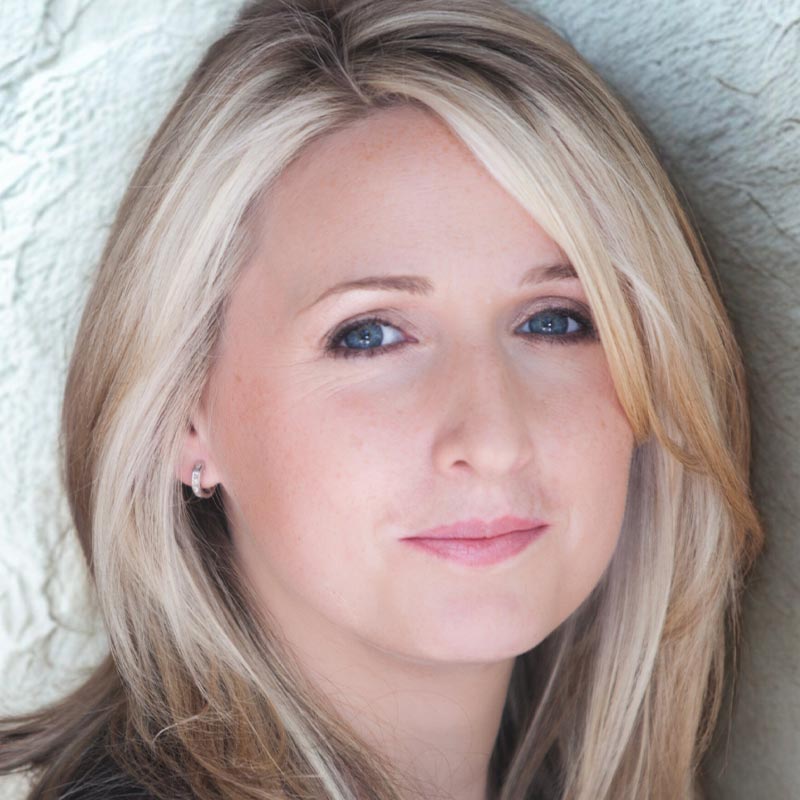
Sarah-Jayne Duryea
Principal Psychologist | Surrogacy & Donor Conception Counsellor | Happy Minds Psychology
Sarah-Jayne is a registered psychologist with over 25 years of experience and a national reputation for her work in surrogacy, donor conception, and reproductive psychology. As both a professional and lived-experience advocate, she provides counselling to surrogates, intended parents, and donor-conceived families across Australia. Sarah-Jayne is deeply passionate about supporting LGBTQ+ parents building families through assisted reproduction.
At Happy Minds Psychology, Sarah-Jayne and her team offer a warm, inclusive space where modern families are supported through every stage of their story — with evidence-based care, compassion, and understanding.
Final Reflection
Two dads who have built their family through surrogacy and egg donation are already pioneers. You’ve redefined what family means, demonstrating courage and love at every step. Now, as new fathers, your task isn’t perfection — it’s presence.
Let yourself fail, reflect, and try again. Build your rhythm, your humour, your way of doing things. Your child doesn’t need a perfect dad. They need you — human, learning, loving, and fully engaged.
Because the best kind of fatherhood isn’t borrowed — it’s built, moment by moment, from the beautiful, messy art of failing forward.
References
- Bowlby, J. (1988). A Secure Base: Parent-Child Attachment and Healthy Human Development. Basic Books.
- Cabrera, N. J., & Tamis-LeMonda, C. S. (2020). Handbook of Father Involvement: Multidisciplinary Perspectives. Routledge.
- Flouri, E., & Buchanan, A. (2003). The role of father involvement in children’s later mental health. Journal of Adolescence, 26(1), 63–78.
- Lamb, M. E., & Lewis, C. (2010). The development and significance of father–child relationships. In The Role of the Father in Child Development (5th ed.). Wiley.
- Patterson, C. J., Tornello, S. L., et al. (2012). Gay fathers’ pathways to parenthood and their involvement with children. Developmental Psychology, 48(6), 1507–1521.
- Sarkadi, A., Kristiansson, R., Oberklaid, F., & Bremberg, S. (2008). Father’s involvement and children’s developmental outcomes. Acta Paediatrica, 97(2), 153–158.
- Yogman, M., Garfield, C. F., & the Committee on Psychosocial Aspects of Child and Family Health. (2016). Fathers’ roles in the care and development of their children. Pediatrics, 138(1).